
Key Takeaways
- Timing matters as much as budget — tackling foundational repairs before cosmetic projects protects every dollar you spend
- Curb appeal projects like garage door replacements consistently deliver some of the strongest returns on investment in the current market
- Kitchen refreshes recoup more at resale than full gut renovations, making mid-range updates the smarter financial move
- Energy efficiency improvements boost both buyer appeal and listing price, often adding measurable percentage points to resale value
- Outdoor living spaces have become a top buyer demand, with patios and decks ranking high on wish lists
- A phased renovation timeline spread over several years prevents budget strain and lets each project build on the last
- Skipping maintenance in favor of flashy upgrades almost always backfires when inspectors and appraisers get involved
The Homeowner’s Dilemma: Where Do You Even Start?
Standing in the middle of your living room with a notepad full of renovation ideas is overwhelming. Should you redo the kitchen first? Replace that aging roof? Or finally tackle the backyard that looks more like a jungle than a retreat? Every homeowner faces this exact moment, usually more than once.
The problem isn’t a lack of ideas. It’s a lack of strategy. Pouring money into projects in the wrong order can leave you with a gorgeous kitchen sitting under a leaking roof, or a new deck attached to siding that’s about to fail. Resale value isn’t built by random improvements — it’s built by sequencing the right projects in the right order over time.
This guide walks through the most common problems homeowners run into when planning renovations, then solves them one by one with a realistic timeline you can actually follow. No fantasy budgets, no HGTV theatrics. Just a practical roadmap.
Problem One: You Don’t Know What Needs Fixing First
Most homeowners confuse what they *want* to upgrade with what their house actually *needs*. These are rarely the same list. Buyers and appraisers care deeply about structural integrity, systems, and safety — long before they care about quartz countertops.
Before spending a dime on anything cosmetic, do a brutal walk-through of your property. Look at the roof, the foundation, the HVAC system, the electrical panel, and the plumbing. If any of these are near the end of their useful life, they need to move to the top of your list. A buyer’s inspector will find these issues, and they will cost you at negotiation.
Pay attention to subtle clues your home may already be giving you. Catching home upgrade warning signs early — like hairline cracks, stains on ceilings, or outlets that run warm — can save you from a five-figure emergency later.
Start With a Priority Audit
Walk every room with a notebook and divide what you find into three columns: urgent repairs, value-adding improvements, and personal preference projects. Urgent repairs come first, always. Value-adding improvements come next and should be scheduled across the next two to five years. Personal preference projects fill in whenever your budget allows.
This simple exercise forces you to separate emotional spending from strategic spending. It’s also the single best defense against renovation regret.
Problem Two: You’re Spending on the Wrong Rooms
Not every room pays you back equally. Some of the best home upgrades for resale value happen in spaces where buyers make emotional decisions — kitchens, bathrooms, and the exterior. Others, like finished basements or home offices, offer much weaker returns despite costing just as much.
Here’s where smart homeowners focus their renovation dollars for maximum impact:
- Kitchen refreshes using existing cabinet layouts
- Primary bathroom updates with modern fixtures and lighting
- Curb appeal projects like landscaping and front door replacement
- Garage door replacement, which punches far above its weight
- Flooring updates that unify the main living areas
According to Opendoor, a mid-range minor kitchen remodel costs around $27,000 to $35,000 and recoups roughly 96 percent of that spend at resale. That’s one of the strongest returns in the entire renovation world — and it’s not a gut job. It’s cabinet refacing, new countertops, updated appliances, and fresh paint.
The lesson is simple. Buyers respond to clean, modern, functional spaces. They do not reward over-personalized luxury choices.
Problem Three: You’re Overlooking the Cheapest Wins
Homeowners love to dream big. But some of the highest-return projects are also the smallest and most affordable. A garage door swap, for example, takes less than a day and transforms the entire front of your home.
According to Ruby Home, garage door replacements return a 268 percent ROI in 2025, a 74 percent jump compared to the previous year. That’s not a typo. You get back more than two and a half times what you spend. Few renovation categories can touch that number.
Small Projects With Outsized Returns
Think about the first ten seconds a buyer experiences your home. The approach from the street, the walkway, the front door, the entry light. These micro-moments shape the entire showing. Repainting a front door, swapping tired house numbers, pressure-washing the driveway, and planting a few shrubs costs almost nothing and makes a disproportionate impression.
Interior quick wins matter too. New cabinet hardware, modern light fixtures, and fresh neutral paint can take a dated room from “needs work” to “move-in ready” for under a thousand dollars.
Problem Four: You’re Ignoring Energy Efficiency
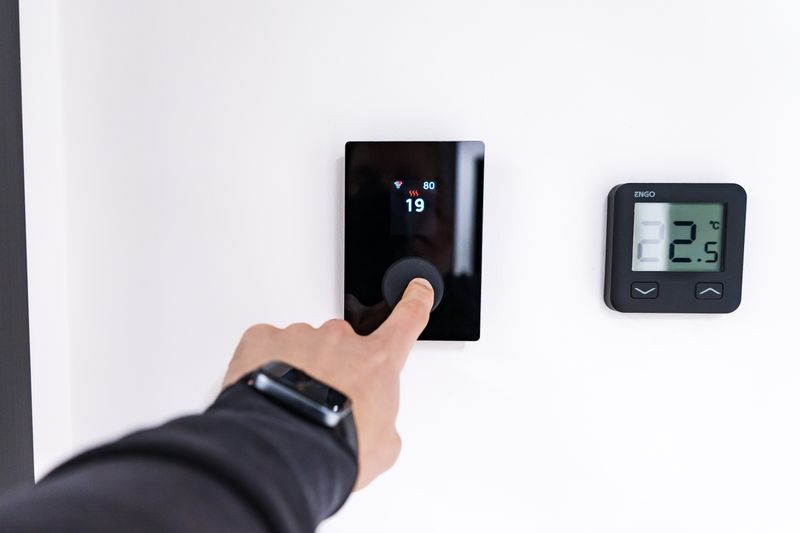
Buyers in today’s market care about operating costs. High utility bills scare them, and inefficient homes sit on the market longer. Yet energy upgrades often get pushed aside for showier projects because they’re hidden inside walls and attics.
According to New Era Homes, energy-efficient improvements can lift a home’s resale value by 2 to 8 percent. On a $400,000 home, that’s an extra $8,000 to $32,000 at closing. Not bad for insulation and windows.
Focus your efficiency spending on upgrades that buyers can see or feel the benefit of:
- Replacing single-pane windows with double- or triple-pane models
- Adding attic insulation to modern R-value standards
- Installing a smart thermostat and modern HVAC system
- Upgrading to a tankless water heater
- Sealing air leaks around doors, windows, and ductwork
- Switching exterior and main-room lighting to LED
Pair these improvements with documentation. Keep utility bills from before and after so you can show buyers real savings. Numbers sell faster than promises.
Problem Five: You’re Forgetting the Backyard
For years, buyers prioritized interior square footage. That shifted dramatically after 2020, when outdoor space became a non-negotiable for many families. Yet homeowners still treat landscaping and outdoor living as afterthoughts.
According to the National Association of Home Builders, 65 percent of buyers want a patio and 52 percent want a deck. That’s a majority of your potential buyer pool actively looking for outdoor features before they even tour your home.
The Top Resale Enhancements Outside Your Front Door
A well-designed backyard doesn’t need to be elaborate. A simple paver patio, a defined grilling area, string lighting, and some mature landscaping create the lifestyle imagery buyers connect with emotionally. If you have the budget, a modest deck with composite materials offers both low maintenance and strong appeal.
Avoid overbuilding. A pool, for example, polarizes buyers in most markets and rarely returns its cost. Stick with features that broad audiences respond to — gathering spaces, shade, greenery, and easy maintenance.
Problem Six: You’re Trying to Do It All at Once
The fastest way to blow a renovation budget is to attack every project simultaneously. You end up overpaying contractors, making rushed decisions, and running out of money before the finish line. A phased approach protects your wallet and your sanity.
Year One: Foundation and Systems
Spend the first twelve months on anything structural, mechanical, or safety-related. Roof repairs, HVAC servicing or replacement, electrical panel updates, plumbing fixes, and foundation sealing all belong here. None of this is glamorous, but it’s the base layer every other project sits on.
Year Two: Energy and Envelope
Once the bones are solid, focus on the envelope of the house. Windows, insulation, exterior doors, and air sealing come next. This is also the right year to tackle siding repairs or replacement if needed. These projects reduce operating costs immediately and position the house for its cosmetic phase.
Year Three: Kitchen and Bathrooms
With systems handled and efficiency locked in, direct your budget toward the two rooms buyers scrutinize most. Refresh rather than gut. Keep the existing footprint whenever possible. Replace what’s dated, repaint what’s tired, and update fixtures to current styles.
Year Four: Curb Appeal and Outdoor Living
Now that the inside is dialed in, turn outward. Garage door replacement, front door refresh, landscaping, patio installation, and exterior lighting all belong in this phase. This is also when a composite deck or paver walkway makes the most sense.
Year Five: Final Polish
The last phase is where you handle the details that make a listing photograph beautifully. Flooring consistency across main areas, fresh neutral paint throughout, cabinet hardware swaps, and lighting upgrades in secondary rooms. Small moves, big visual payoff.
Problem Seven: You’re Skipping Maintenance to Chase Upgrades
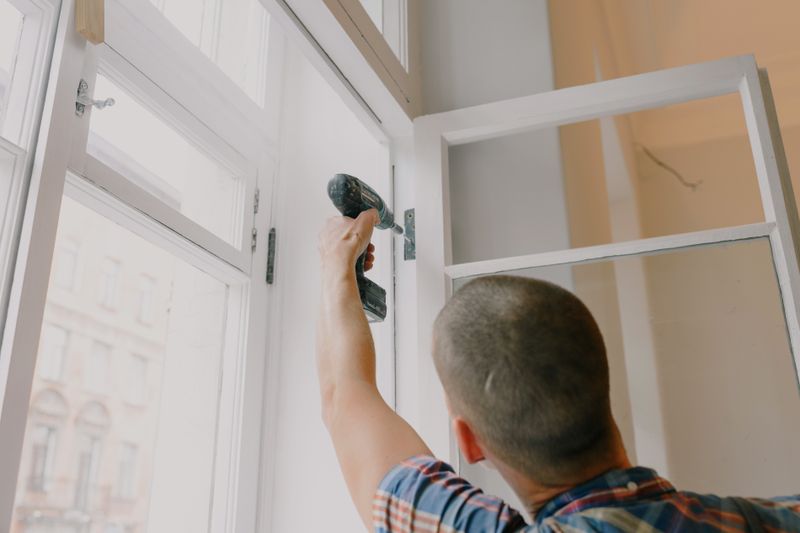
Nothing undermines a renovation strategy faster than deferred maintenance. A gleaming new kitchen means little if the gutters are falling off and the water heater is on borrowed time. Appraisers and inspectors catch these issues immediately, and buyers use them as negotiating leverage. Even worse, visible neglect creates a psychological ripple effect: once a buyer spots one problem, they start assuming there are ten more hiding behind the walls. That doubt gets priced into every offer that comes in, and sometimes it kills offers before they’re ever made.
Think of maintenance as the foundation that protects every dollar you’ve poured into the best home upgrades for resale value. You can install quartz countertops, refinish the hardwoods, and repaint every room, but if the roof is leaking into the attic or the furnace wheezes through its final winter, those cosmetic wins get overshadowed on the inspection report. Smart sellers understand that home upgrades and routine upkeep aren’t competing priorities — they’re partners. One preserves the other.
Build a yearly maintenance checklist and stick to it. Clean gutters twice a year, service the HVAC every spring and fall, flush the water heater annually, inspect caulking and weatherstripping, and check the roof after major storms. Add in quarterly walkthroughs where you test smoke and carbon monoxide detectors, run water in rarely used sinks to keep traps full, look for signs of pests in the basement and attic, and check for soft spots around toilets, tubs, and exterior doors. These small habits preserve the value of every larger project you’ve completed.
Keep a simple maintenance log too — a notebook, spreadsheet, or app where you record service dates, part replacements, and contractor receipts. When it’s time to list, that documentation becomes a powerful selling tool. Buyers relax when they see a homeowner who treated the property like an investment rather than a project waiting to happen, and that confidence often translates directly into stronger offers and smoother closings.
Ranking the Highest-Return Improvements for Sellers
If you want a quick mental shortcut for prioritizing spend, think in tiers. Tier one is anything that protects the structure or systems. Tier two is anything buyers see within the first ten seconds, inside or out. Tier three is the kitchen and primary bathroom. Tier four is efficiency. Tier five is personal preference.
Spend top-to-bottom, never bottom-to-top. Homeowners who flip that order almost always regret it when the appraisal comes in lower than expected, or the inspection report reveals expensive surprises.
Conclusion
Renovation strategy isn’t about doing more — it’s about doing the right things in the right order. The homeowners who see the strongest resale returns are rarely the ones with the biggest budgets. They’re the ones who sequenced their projects intelligently, protected the structure first, and layered cosmetic improvements on top of a solid foundation. That discipline is what separates a house that sells quickly at a strong price from one that lingers on the market with price cuts.
The timeline laid out here isn’t rigid. Your house, your market, and your finances will shape the details. But the sequence holds up across almost every situation: fix what’s broken, tighten the envelope, refresh the rooms buyers care about, invest in curb appeal and outdoor living, then polish the finishing touches. Follow that order and every dollar you spend works harder than the one before it.
Start with the audit. Walk your home this weekend, build your three-column list, and plan the next twelve months around what matters most. Resale value isn’t built in a single renovation season — it’s built over years of thoughtful, well-sequenced decisions that compound into a home buyers compete to own.