
Understanding the early warning signs that your home might need repairs or upgrades can help you prevent more serious issues while also improving your home’s comfort, efficiency, and value. In this article, we’ll explore the most frequently asked questions about the signs your home needs attention, helping you keep your property in top condition.
Addressing these early signals doesn’t just fix problems—it also opens opportunities for strategic upgrades that enhance functionality and long-term savings. From roofing problems to plumbing issues, identifying these signs is crucial for maintaining the structure, safety, and performance of your home.
By staying proactive, homeowners can better plan their budgets, prioritize essential fixes, and avoid sudden emergencies. Regular monitoring and timely action ensure that small concerns don’t evolve into major disruptions, allowing you to maintain a safe, efficient, and comfortable living environment year-round.
1. What are the signs of a leaking roof?
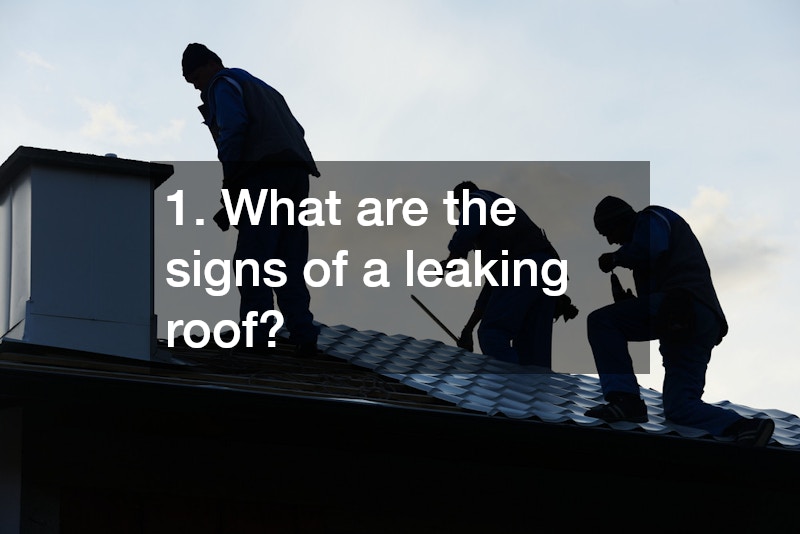
A leaking roof is one of the most common issues homeowners face, and it often starts with subtle warning signs. Recognizing these early can prevent costly structural damage and improve energy efficiency. In many cases, timely repairs can also lead to smart roofing upgrades that extend your home’s lifespan and overall protection.
Signs in the attic
Water stains on the rafters or sheathing in the attic are clear indicators that your roof might be leaking. This early warning sign should not be ignored, as it can lead to mold and structural damage. Hiring a local roofer to inspect and fix roof leaks promptly can prevent costly repairs—and may also present an opportunity to upgrade to more durable roofing materials.
Dampness and mold growth in the attic can also be symptoms of a leaking roof. Mold not only damages your home but can also pose serious health risks. Look for a box gutter company that can ensure gutters are directing water away effectively while upgrading drainage systems.
Finally, take notice of light coming through the roof boards in the attic, which indicates gaps in shingles. Early action with the help of professional roof installers can prevent water intrusion and may allow for energy-efficient roofing upgrades.
Ceiling discoloration
If you notice dark or yellowish stains on the ceiling, it could be a sign of a leaking roof. These stains are often early indicators of water pooling, which can lead to sagging or collapse if left unaddressed. You might want to consult a basement remodeling company to inspect underlying issues and explore moisture-resistant upgrades.
Stains can also originate from issues with the roof’s flashing or areas around skylights and chimneys. Engaging a local roofer to assess these vulnerable spots can prevent further damage while improving waterproofing systems.
Beyond aesthetics, discolored ceilings may suggest water damage affecting electrical components—an urgent issue that requires immediate repair and potential system upgrades.
Exterior roof damage
During routine inspections, look for missing or damaged shingles. These often result from weather or aging and require attention from a local roofer. Replacing them also provides an opportunity to upgrade to longer-lasting materials.
Damaged flashing around vents, chimneys, or skylights signals the need for repair. Proper sealing prevents leaks and improves durability. It may be wise to engage a company specializing in comprehensive roof and gutter installation for both repairs and performance upgrades.
Moss or algae growth indicates moisture retention, which degrades roofing materials. Cleaning and treatment—along with modern protective coatings—can extend your roof’s lifespan.
2. How can I tell if there are plumbing issues?
Plumbing problems can develop quietly behind walls and under floors, making early detection essential. From pressure changes to unusual sounds, these signs shouldn’t be ignored. Addressing them quickly not only prevents water damage but also creates opportunities for system upgrades that improve efficiency, reliability, and long-term performance in your home.
Water pressure abnormalities
A sudden change in water pressure may indicate a hidden leak or blockage. A reputable plumbing contractor can diagnose and resolve the issue while recommending pipe upgrades for improved flow and efficiency.
Low pressure can also signal mineral buildup in pipes, which may require cleaning or replacement. Upgrading to modern piping systems can prevent recurring issues. Fluctuating pressure can damage appliances, making early inspection essential to avoid long-term costs.
Unusual sounds in pipes
Banging or whistling noises may indicate trapped air or pressure issues. These are early warning signs that plumbing companies can address quickly.
Gurgling sounds often point to blockages or ventilation problems. Clearing these issues not only restores function but can improve overall system efficiency.
Sound-related signs shouldn’t be ignored, for they could also indicate a need for heating repairs if the noises arise from systems integrated with your home’s heating infrastructure. Identifying whether the problem lies within the plumbing or heating system involves a professional inspection.
In some cases, these issues might require both repairs and upgrades for optimal performance.
Signs of leaks
Visible water pooling around fixtures or damp spots on floors and walls indicates a leaking pipe. Addressing these leaks promptly with the help of a plumbing contractor is essential to prevent further infrastructure damage. Leaks left unattended can also promote mold growth, causing health concerns for residents.
A spike in your water bill without any additional usage could suggest an undetected leak. This is a serious early warning sign that should be checked immediately. It’s advisable to have a qualified plumbing contractor inspect and repair any identified leaks.
Moreover, pooled water or constant moisture near washed areas can decay flooring and cabinetry. Routine checks and early repairs ensure the area is safe and functional for household use.
Addressing leaks also allows for upgrades like water-efficient fixtures and improved drainage systems.
3. What indicates foundation problems?

Foundation issues can compromise the entire structure of your home if left unaddressed. Early warning signs like cracks or uneven floors should never be overlooked. Identifying these problems early allows for timely repairs and potential structural upgrades that strengthen your home’s stability, safety, and long-term durability against environmental changes.
Cracks in walls or floors
Cracks may signal foundation shifting. While minor cracks can be cosmetic, expanding ones indicate deeper issues requiring attention from a local home addition contractor.
Larger cracks suggest significant movement and may require structural reinforcement. This is also an opportunity to strengthen your foundation through modern techniques.
Diagonal drywall cracks often point to construction or soil issues that should be addressed early.
Doors and windows misalignment
Sticking doors and windows may indicate foundation movement. This affects energy efficiency and security, making timely repair essential.
Gaps around frames can cause drafts and higher energy costs. Addressing these issues can include insulation upgrades for better performance.
Misalignment often coincides with uneven flooring, revealing deeper structural concerns.
Uneven or sloping floors
Uneven floors suggest foundation settling. These issues can create hazards and should be corrected by a basement remodeling company.
Moisture can weaken supports, making early intervention crucial. Repairs combined with structural upgrades improve safety and longevity.
4. How do I know if my electrical system needs work?
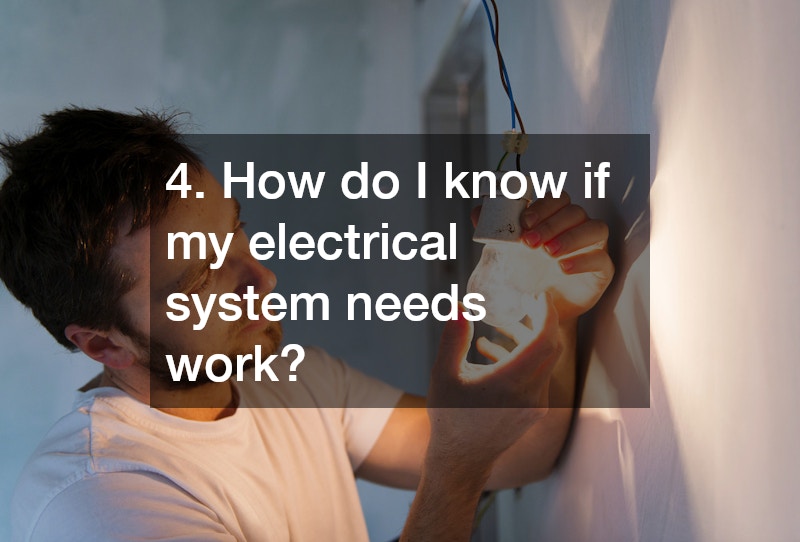
Your home’s electrical system plays a critical role in safety and daily convenience. Warning signs like flickering lights or tripped breakers may indicate deeper issues. Addressing these problems early not only prevents hazards but also allows for electrical upgrades that support modern appliances, technology, and increased energy demands.
Frequent circuit breaker trips
Repeated breaker trips indicate system overload or faults. An electrician can diagnose the issue and recommend upgrades to handle modern electrical demands.
Older wiring may no longer meet current needs, making system upgrades essential for safety.
Flickering or dimming lights
Flickering lights often point to outdated wiring or overloaded circuits. Addressing these issues improves safety and efficiency.
Upgrading your electrical system can support modern appliances and smart home features.
Warm switches or outlets
If your switches or outlets are warm to the touch, it could indicate a loose connection or a fault in the wiring system. This overheating is a serious early warning sign suggesting that immediate professional inspection is necessary to avoid potential fire hazards.
Heat from switches or outlets might also denote a device or appliance drawing excessive power, necessitating a system check by an electrician. Such problems require corrective measures to prevent overload damage and ensure safe ongoing use of electrical components.
Outdated electrical components can overheat and further cause insulation deterioration, increasing risks. Having an electrician reassess and update the system plays a pivotal role in ensuring electrical safety and durability through timely upgrades. Upgrading outdated components ensures long-term safety and reliability.
5. What are the signs of pests in my home?
Pest infestations can cause more than just inconvenience—they can damage your home and affect your health. Recognizing the early signs of pests is key to preventing widespread problems. Acting quickly allows for proper treatment while also giving you the chance to upgrade materials and improve your home’s resistance to future infestations.
Physical evidence of pests
Finding droppings, nests, or chewed materials inside your home clearly indicates a pest intrusion, necessitating immediate management. Identifying these indicators allows you to act promptly in eliminating pests; therefore, minimizing damage to your home.
These signs are concerning not only for health reasons but also for their potential to compromise your property’s integrity by breeding and expanding throughout the home. Engaging pest control services early helps mitigate risks and eradicate infestations efficiently.
Proper screening and prevention methods should be implemented proactively, maintaining consistent checks for these signs and allowing timely responses to potential or observed infestations.
Early pest control prevents structural damage and health risks.
Damage to structures
Termites and rodents can compromise wood, insulation, and wiring. Addressing these issues early reduces repair costs and may involve upgrading materials to pest-resistant options.
Unusual odors
Persistent odors may indicate hidden infestations. Professional inspection ensures proper removal and sanitation.
6. How can windows and doors indicate home repairs or upgrades?
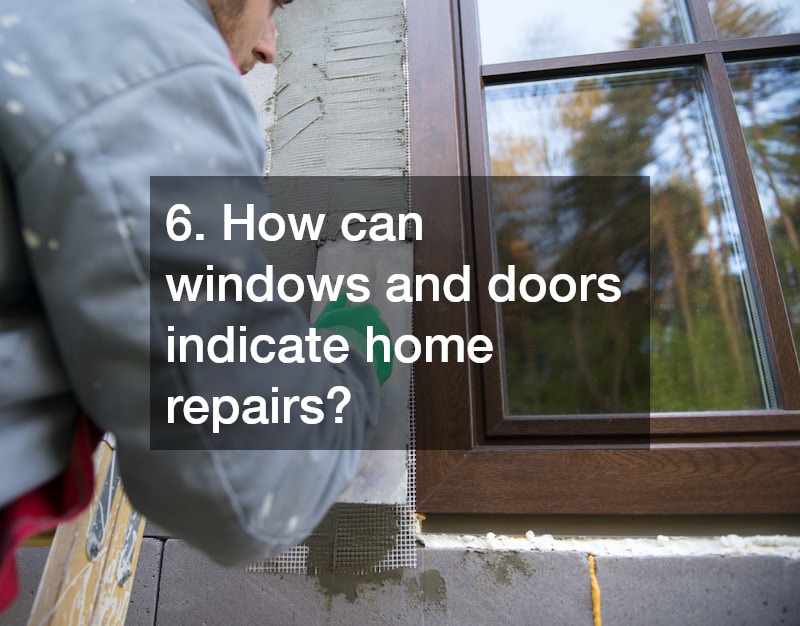
Windows and doors do more than provide access and natural light—they also impact energy efficiency and security. When problems arise, they often signal deeper issues within your home. Identifying these signs early helps you address repairs promptly and consider upgrades that enhance insulation, comfort, and overall property value.
Drafts and air leaks
Drafts suggest poor insulation. Sealing gaps improves comfort and reduces energy bills.
Upgrading to energy-efficient windows and doors can significantly enhance performance.
Visible wear and damage
Cracks or rot weaken frames and reduce security. Repairs combined with material upgrades improve durability and curb appeal.
Difficulty in operation
Hard-to-open windows and doors may signal structural shifts or wear. Addressing these issues ensures ease of use and safety.
7. What are ceiling and wall stains trying to tell me?
Ceiling and wall stains are often more than cosmetic concerns—they usually indicate underlying issues like leaks or moisture buildup. Paying attention to these warning signs can help you prevent serious damage. Addressing them early also opens the door to upgrades that improve ventilation, waterproofing, and overall indoor air quality.
Indications of roof or pipe leaks
Stains often indicate leaks that require immediate attention. Fixing them early prevents structural damage.
Mold and mildew growth
Mold signals excess moisture. Addressing the source and upgrading ventilation improve indoor air quality.
Underlying structural issues
Stains may point to deeper problems like foundation instability. Early detection helps avoid major repairs.
8. How does indoor climate change suggest repairs or upgrades?
Changes in your home’s indoor climate can signal hidden problems with insulation, ventilation, or HVAC systems. These shifts often affect comfort and energy efficiency. Recognizing them early allows you to fix underlying issues while exploring upgrades that create a healthier, more consistent, and energy-efficient living environment throughout the year.
Temperature control issues
Inconsistent temperatures suggest HVAC problems. Heating repair specialists can restore comfort and recommend system upgrades.
Humidity level variances
High humidity may indicate ventilation or insulation issues. Upgrading these systems improves comfort and prevents mold.
Persistent odors or stuffiness
Poor air circulation can cause odors. Improving ventilation enhances indoor air quality.
9. What exterior signs show my home requires maintenance or upgrades?
Your home’s exterior is the first line of defense against the elements, so visible wear should never be ignored. Signs like peeling paint or rust can indicate deeper issues. Addressing them early helps maintain curb appeal while creating opportunities for upgrades that improve durability, protection, and long-term structural integrity.
Peeling paint or rust
Peeling paint or rust indicates moisture exposure. A qualified house painter can restore surfaces while applying protective coatings.
Upgrading exterior finishes improves both durability and curb appeal.
Final Thoughts: Repair Early, Upgrade Smart
Catching early warning signs around your home can help you avoid larger, more expensive repairs down the road. More importantly, these signs often highlight opportunities for strategic upgrades that improve energy efficiency, comfort, and property value.
Small issues often signal bigger problems developing behind the scenes. By addressing them promptly—and considering upgrades at the same time—you can protect your investment while enhancing your living space.
Staying proactive ensures your home remains safe, functional, and future-ready for years to come.